

Theology for the Rest of Us


When I first started studying Scripture seriously, I didn’t realize how many different lenses there were for reading it. I just thought you opened the Bible and read. But the more I dug in, the more I realized that faithful students of God’s Word have developed some really useful tools over the centuries. Today, I want to walk you through a few of them, because understanding how we study Scripture matters just as much as what we study.
Systematic Theology
Think of systematic theology as the organizational framework for everything we believe. Theologian B.B. Warfield described theology simply as “the science of God and his relationship to man and the world.”1 Systematic theology takes all of that and tries to bring it together into a coherent whole that the church can actually use.
In practical terms, it answers the question: how does the verse I read this morning connect to the bigger picture of who God is and what He’s doing? Without some kind of framework, we tend to collect isolated facts about the Bible without ever seeing how they fit together. Systematic theology is what helps us see the forest instead of just the trees.
But it doesn’t stand alone. It needs help.
Biblical Theology
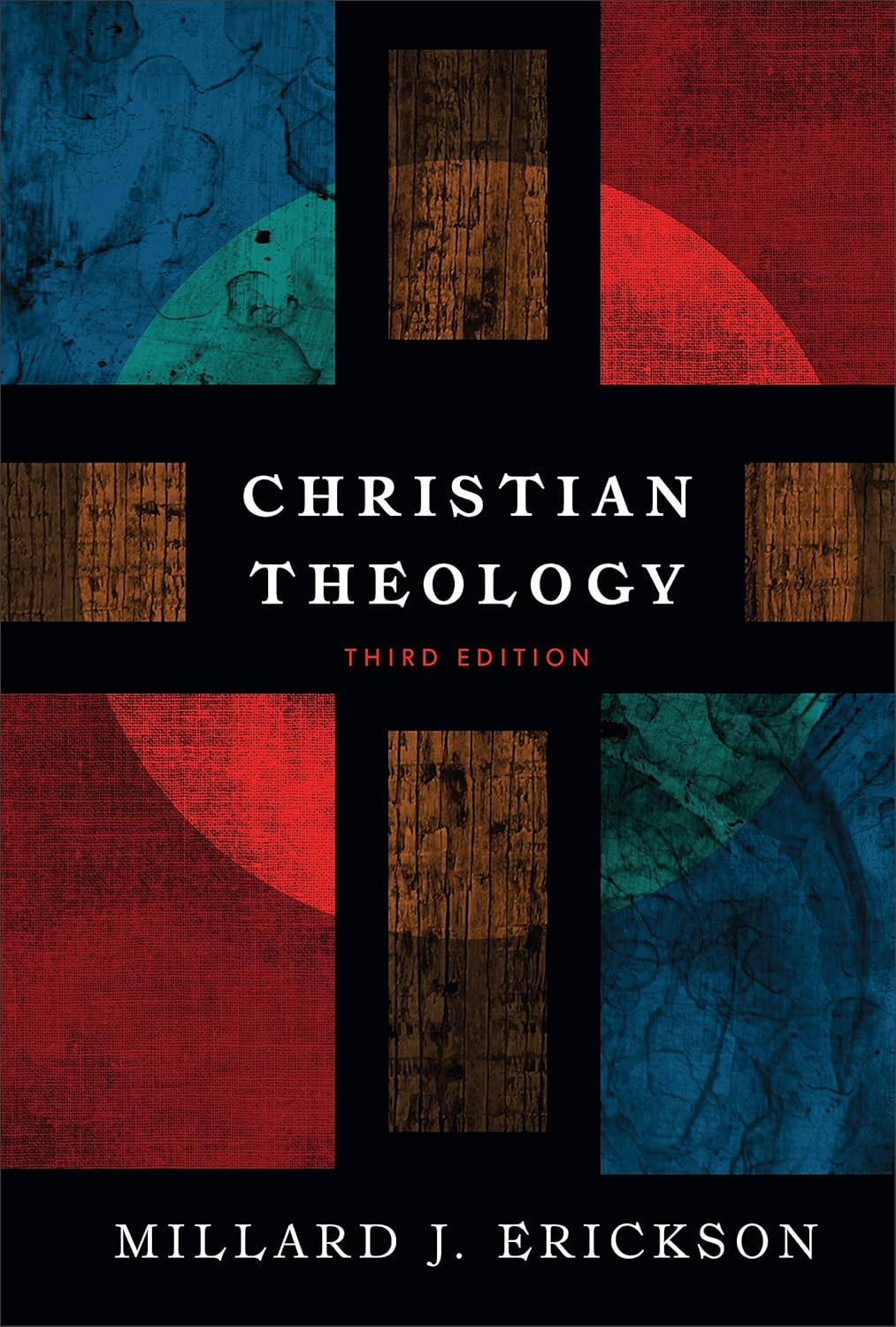
Theologian Millard Erickson calls biblical theology “the raw material” that systematic theology works with.2 That’s a great way to put it. The Bible is the foundation. Everything else we build has to rest on it.
This might seem obvious, but it’s worth saying clearly. You can’t have a solid understanding of God if you don’t have a solid understanding of what He’s actually revealed. And what He’s revealed is Scripture. Biblical theology keeps us anchored to the text so our systematic frameworks don’t drift into speculation.
Historical Theology
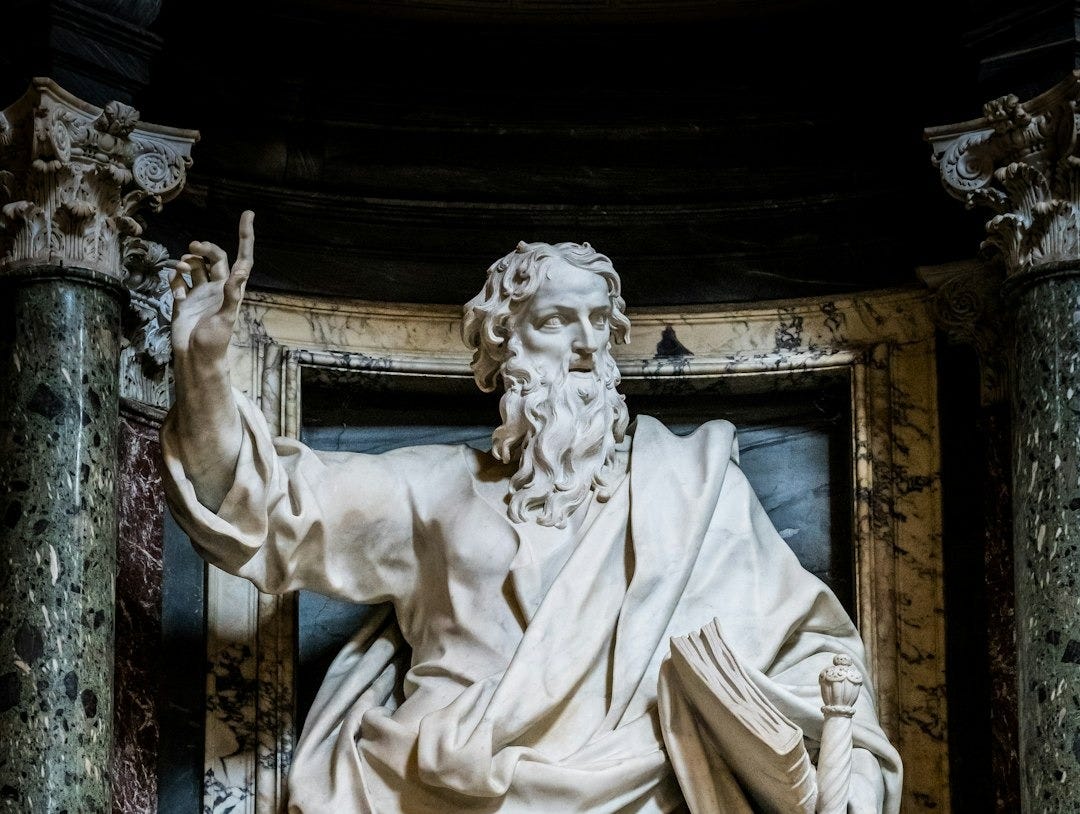
Here’s one that often gets overlooked, especially by people who are newer to serious Bible study. Historical theology examines how Christians throughout church history have understood and taught the faith. And it is incredibly valuable.
Why? Because we all bring our own assumptions and blind spots to the table. Studying what believers wrestled with 500 years ago or 1,000 years ago helps us to recognize those blind spots and compensate for them. It also reminds us that the questions we’re asking today aren’t new. Doubt, suffering, the resurrection, and the nature of Christ have been wrestled with by brilliant, faithful people long before us.
As Ecclesiastes 1:9 says, “There is nothing new under the sun.” That’s humbling for us in the best way. When someone presents a “revolutionary new take” on Christianity, historical theology helps us ask if anyone has thought about this before. And almost always, the answer is yes.
Erickson makes an important point here, too. “It is not sufficient to have a warm, positive, affirming feeling toward Jesus. One must have correct understanding and belief.”3 Biblical and historical theology working together help us get there.
Philosophical Theology
This one sounds more intimidating than it is. Philosophical theology basically helps us think carefully about the ideas and arguments surrounding the faith. It sharpens our language, examines our logic, and helps us communicate clearly to people who think differently than we do.
For a ministry like Not Forsaken, which is grounded in Christian apologetics, this matters a lot. The world is full of competing ideas about God, truth, and meaning. Philosophical theology helps us engage those ideas thoughtfully instead of just talking past people.
That said, I agree with Erickson in that philosophical theology plays a supporting role. “While philosophy, along with other disciplines of knowledge, may also contribute something from general revelation to the understanding of theological conceptions, this contribution is minor, serving to illuminate the special revelation we have in the Bible.4 All of these different theologies don’t replace Scripture. They help us present what Scripture teaches in a way that connects with the world we’re actually living in.

A Word of Caution
Here’s something worth keeping in mind as we use all these tools. There’s a temptation to think that if we just get our theology systematic enough, we’ve figured God out. We’ve put Him in a neat little package.
That’s dangerous. God is not a concept to be systematized. He is a Person to be known. These tools are meant to help us know Him better, not to give us the illusion of having Him figured out. The more I study Scripture, the more I’m struck by how much depth is packed into a single passage. These theological lenses help us see that depth. They don’t exhaust it.
Practical Theology: Where It All Comes Together
All of this study has to land somewhere real. Jesus asked in Mark 4:21, “Is a lamp brought in to be put under a basket, or under a bed, and not on a stand? (ESV)” The lamp exists to give light. So does everything we learn.
Practical theology is where all of this meets everyday life. It’s taking the doctrine of God’s sovereignty and finding actual peace when you lose your job. It’s letting the truth of the resurrection steady you when you’re sitting in a hospital room. That’s the goal.
Every generation has to do the work of translating the timeless truths of Scripture into language and forms that their neighbors can understand. That’s not compromising the message. That’s faithfulness. And thankfully, we don’t do it alone. That’s what the Holy Spirit is for.
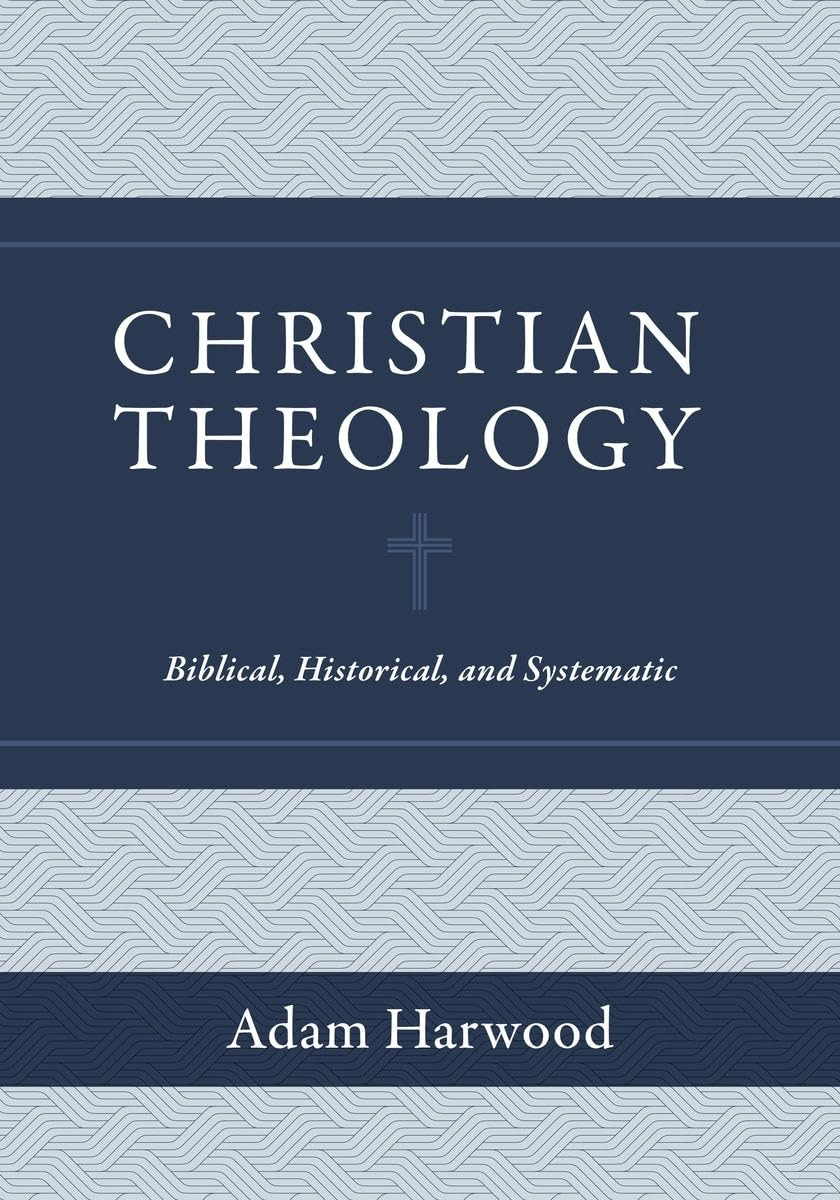
Links to Books Mentioned and Other Recommended Systematic Theology Books
Links are to Amazon. Not Forsaken Ministries might receive a commission if you purchase from one of the links.
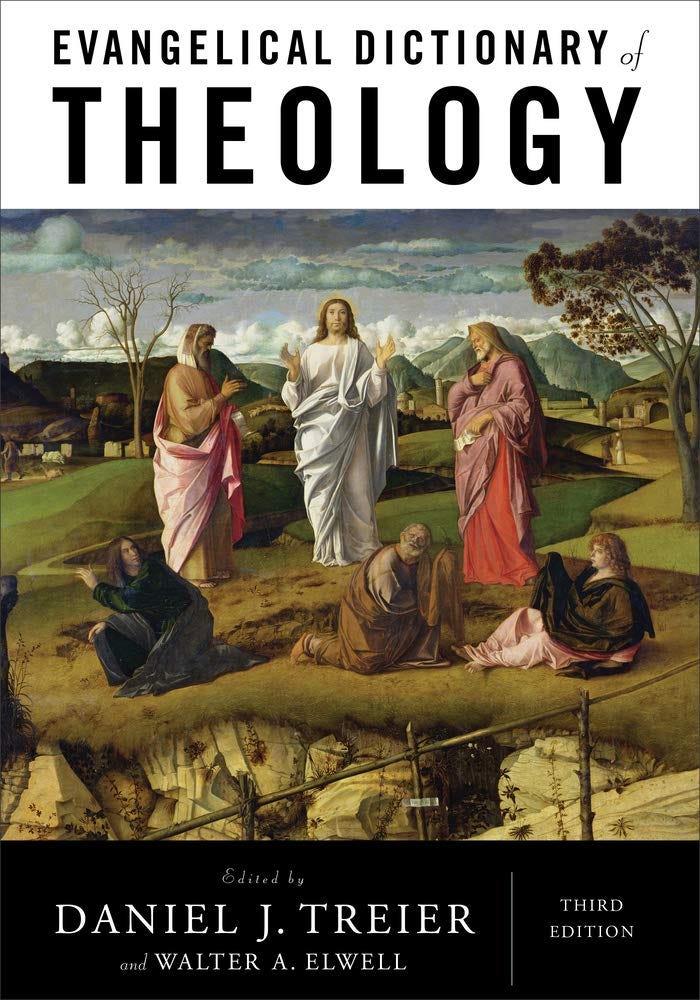
Walter A. Elwell, Evangelical Dictionary of Theology: Second Edition (Grand Rapids, MI: Baker Academic, 2001), 1162.
Millard J. Erickson, Christian Theology, 3rd ed. (Grand Rapids, MI: Baker Academic, 2013), 12.
Ibid., 15.
Ibid., 14.